Author Archives: benaiahfogle
Blood Red gear
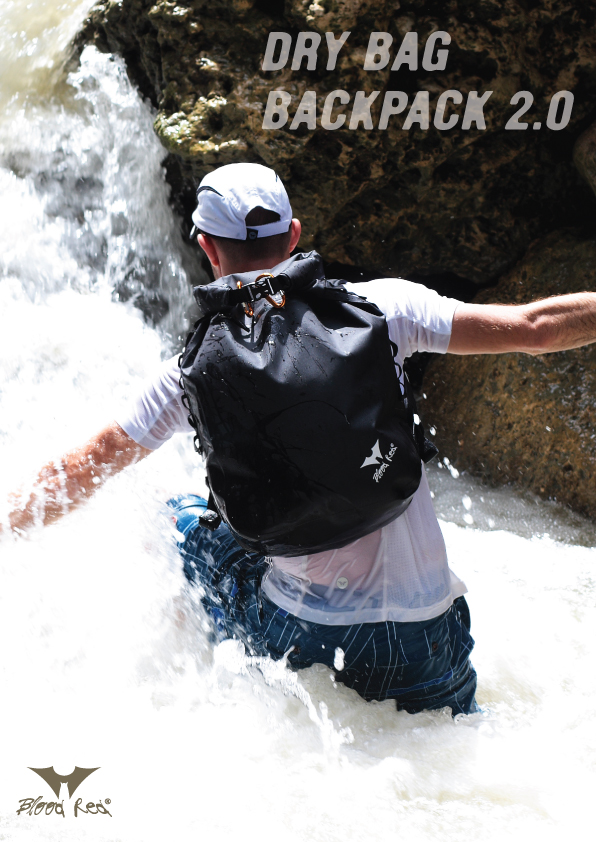
Here are some pics of me showing off some of the new Blood Red gear. We did a river trekk in Cebu and tested their new Dry Bags and some of their new Fusion board shorts. The Dry Bags are great and as the photo shows did not allow a drop of water in even though we trekked literally up the river. The Fusion shorts handled the water well, dried fast and had some convenient pockets that are often not present in board shorts. These guys have well designed gear great for the amihan and habagat seasons here. Click on either picture or on the link below to check out the Blood Red site and order online. I have been trying to get them to add a line of sports wear specifically for fishing. Who knows maybe next year 🙂

Dorado Fishing in Laiya, Batangas
Sunday, 11/27/2011, three friends and I drove down early to Laiya for a day of saltwater trolling for Dorados or Mahi Mahi. We got an early start (3am) and were on the water by 7. We used fresh squid that our boatman got for us and we slow trolled them whole around buoys that were a ways away from the shore. We had a produtive morning, hauling in 4 fish and then again in the afternoon bringing in one more (after having a 4olb leader snapped by something big). We learned that from now until Feb, it is dorado season down there. It was a great trip and I am thankful that I had my first successful saltwater trolling experience. Here are some pics from the trip:
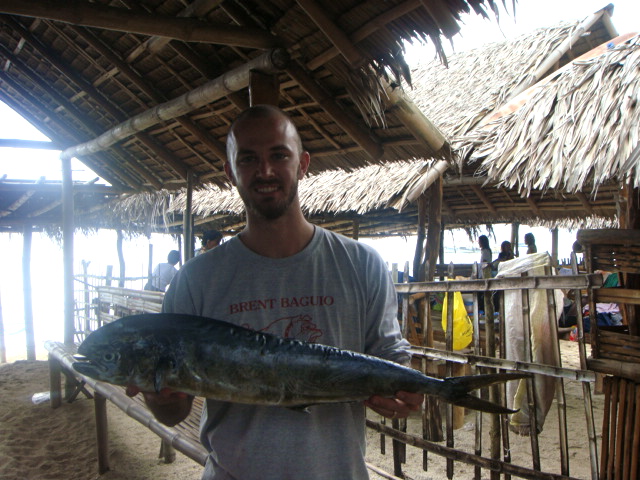 This was the first fish of the day, 2.5 kgs caught by me.
 Reggie caught the next one, 5.2 kgs, this was the most acrobatic of all the ones we caught. It leaped and flipped the whole time.
 Lui caught the biggest one, 5.6kgs
 Reggie caught a second (the smaller of the two), 3.2kgs
 The mornings catch. Not Bad, with every one getting a fish and Reggie getting two.
 After lunch I was able to hook one more, 3.5kgs and we called it a day.
Tadlac Lake

Tadlac Lake From the Air
This is another post about Tadlac Lake, also known as Crocodile or Alligator Lake. This lake is located in Brgy. Tadlac, Los Banos, Laguna. I had not heard of the lake until recently and have since made several trips there to see what I could catch. I hear that there are large snakeheads, large carp, large pangasius, and many other kinds of fish in this lake. I have tried for the previously named fish with out luck. I have caught Ayungin, Tilapia, and various types of Bia there.
The lake is quite a beautiful and secluded little lake nestled back away from the hustle and bustle of Los Banos. As can be seen from google maps, the lake sits next to Laguna Lake, though is not connected. I have heard there is an underwater tunnel, but this may just be rumor.
I have also read that this lake is very deep, similar to the other volcanic lakes of Laguna. I heard that someone tried to measure the center with a fishing line and reel and found the depth at the center around 78 meters. That is quite a depth for a relatively small lake such as this.
I also heard that there used to be pangasius and tilapia fish pens on the lake until the local government stopped them and had the fish released into the lake. The locals say that the pangasius in the lake are up to 20kgs. This may just be rumor, but if you watch the surface of the water you can see large fish surface. According to some friends a 40kg carp was caught in a net in this lake a while back.
below is a picture of the lake that I took from the Los Banos high school of the arts when Dowie and I took a trip up there. Sorry the pic is a little blurry.

View of Tadlac Lake from Makiling High School of the Arts
If any of you guys have fished this lake and caught stuff, let me know. I am curious as to how to catch some of the giants that live here.
Fish Species List: (these are the fish I have caught or am aware are present in the lake)
– Tilapia
– Pangasius Catfish
– Snakehead
– Giant Snakehead
– Ayungin
– Carp
Sailfin Catfish ( Pterygoplichthys sp. )
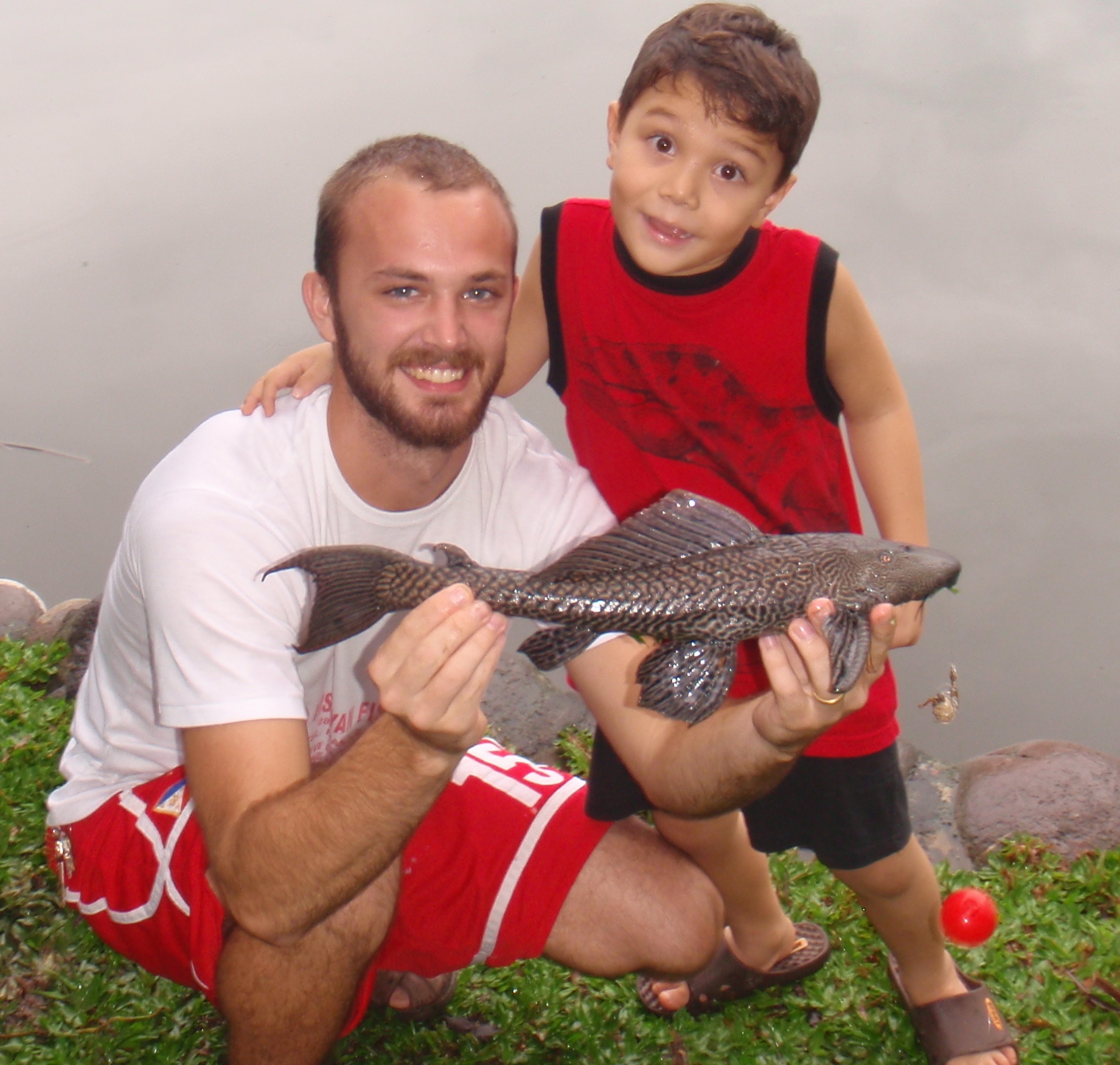
David’s Janitor Fish caught in Laguna
Common Name: Amazon Sailfin Catfish, Pleco, Suckermouth Catfish,
Local Name: Janitor Fish (Tagalog); ??? (Cebuano)
Max Size: 70 cm
Biodiversity: Freshwater,
Depth: ?? m
Fishing Season: All Year Long
Minimum Size Limit: none
Recommended Bait/Lures: Algae, Doughbait
IUCN Red List Status: Not Evaluated (NE)
Two species of this catfish have been identified around Metro Manila and Laguna Province; Pterygoplichthys disjunctivus and Pterygoplichthys pardalis.
I took some friends fishing at a nearby pond the other day. We used worms for a while with no luck, so I switched to my Thai Masa (rice bran mixed with coconut milk and magic sarap) to see if we could get any takers. I had a lot of takes but no hook ups (probably because my rigging was not that great. One of my little friends managed to hook this Janitor fish or Pleco. It was the largest janitor I have seen and put up a good fight for the little angler. It was hooked in the mouth, so I dont think it was a snag. They can be caught 🙂
Night Fishing for Catfish
On normal days at the local hole in the Mabacan River you can sit for hours and not hook a single catfish. Recently I was tempted by a friend’s comment that the eels feed at night and so a friend and I tried out night fishing the hole. The action was twice what it was during the day and we hooked two cats, a turtle, and a paitan in an hour. Then just this evening I braved the rain and fished again. I hooked one of the biggest native hito I have caught (around 12″, lol) in the first 30 mins I fished. So far no eels, but at least I have learned that instead of sitting in the hot sun all day waiting I can fish at night and half much more fun. Hope this helps. I hooked all the fish on texas rigged nightcrawlers. They seem to be the preferred food for the fishes in our river. Sorry for no picture. I had my hands full with my light, my rod, and my umbrella 🙂

Red Bellied Tilapia (Tilapia Zillii)
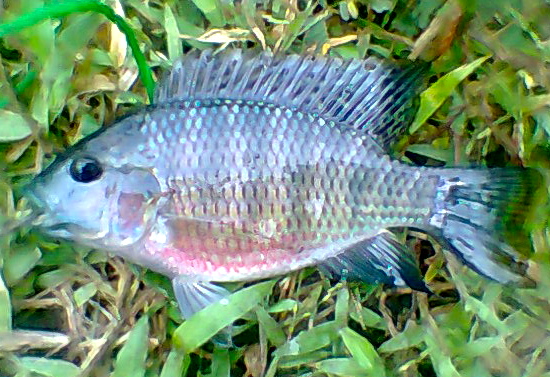
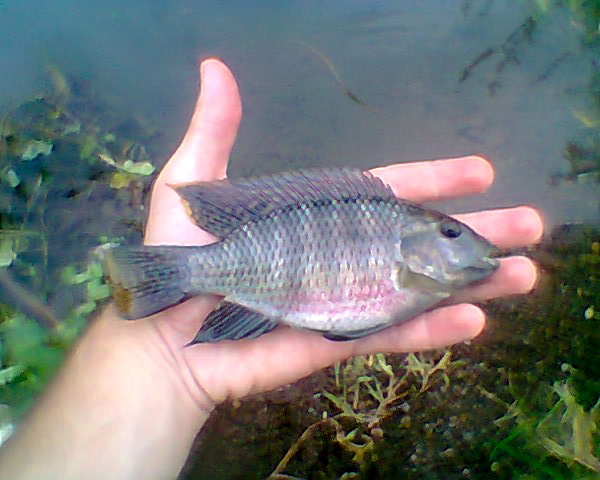
Common Name: Tilapia,
Local Name: Tilapia (Tagalog); Tilapia (Cebuano)
Max Size: 40 cm
Biodiversity: Freshwater, Brackish
Depth: 1 – 7 m
Fishing Season: All Year Long
Minimum Size Limit: 6 inches
Recommended Bait/Lures: Worms, Masa (doughbait), algae; flies
IUCN Red List Status: Not Evaluated (NE)
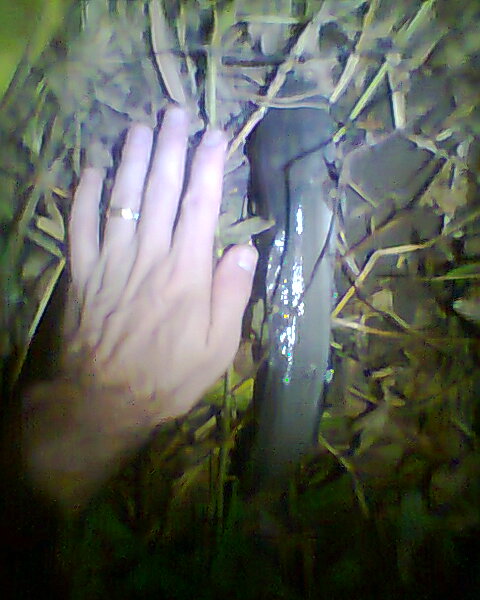
I went fishing this morning in the Mabacan River hoping to catch some carp that I have heard inhabit our area. I was not able to catch any carp, though I was able to hook this tilapia on a doughball and corn. I think I am now convinced that these are Red Bellied Tilapia in our river. There may be other species as well, but this is the only one that I can identify with certainty. These are an introduced species.
Fishing Typhoon Pedring
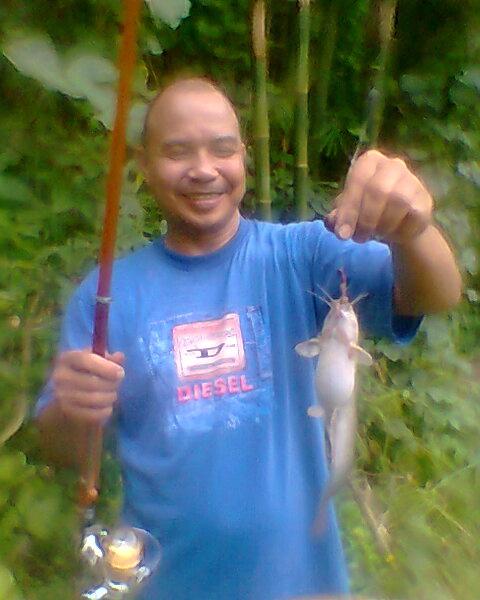
A friend and I fished the Mabacan river as Pedring was leaving the country. The river was high and the water looked like chocolate milk. We fished for eel and catfish on the bottom with large worms. We caught a total of four Native Hito and and five One Spot or Paitan.
My buddy hooked a big Eel (Palos) which we estimated to be around 2-3 kgs, but it broke the line when we had it two feet from shore. Fishing high muddy rivers during the end of rains seems good for eels and catfish. They must leave their holes and rocks in search of food.
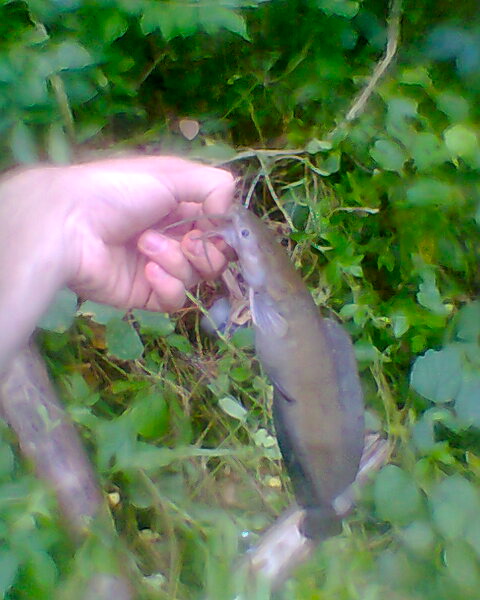
Here are a couple of the hito we caught:
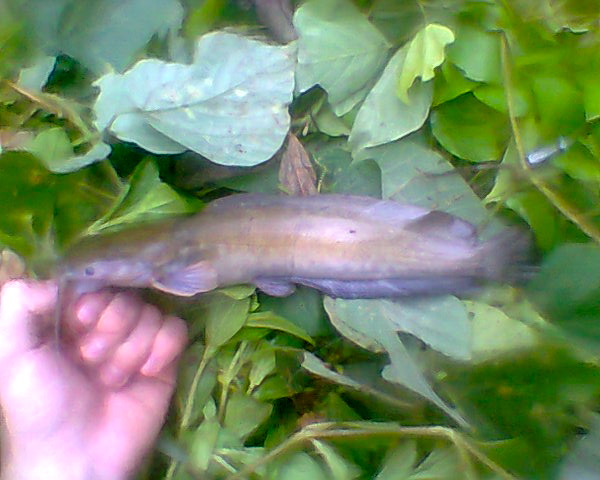
African Hito (Clarias gariepinus)

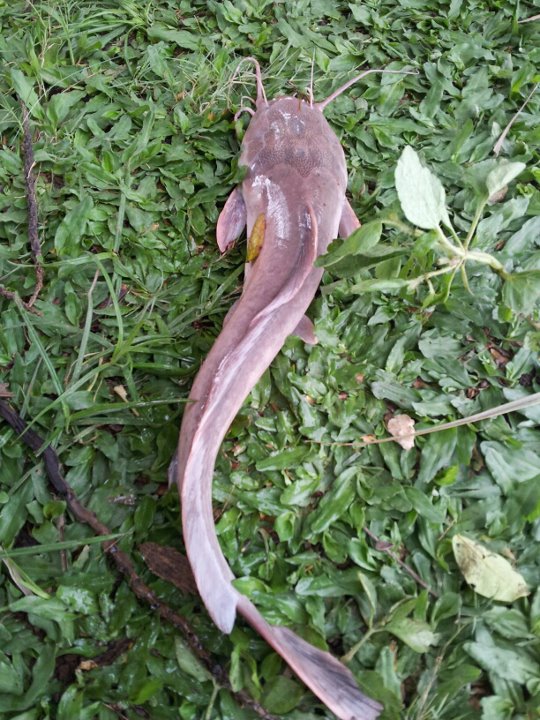
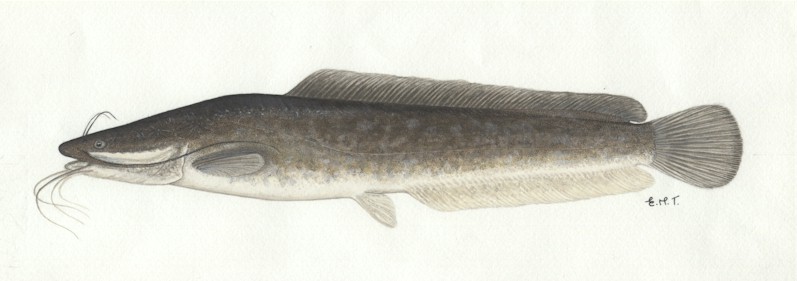
This is an introduced species that is fairly common throughout the country. It is also known as African Sharptooth Catfish. It is mainly valued as a commercial species in the aquaculture industry where it is raised and sold in markets, restaurants, and supermarkets. It is very similar to the local “Native Hito” species, only it grows much larger and usually has a lighter grayish color. I have yet to catch one of these in the wild, but they are commonly stocked in pond that can be fished. The one in the picture is a 3 kilo African Hito caught on a piece of chicken in a pond in Laguna. The other pictures is a smaller one caught in the same pond. Baits that these fish will take are chicken liver, guts, meat, worms, and other stink baits.
Silver Perch ( Leiopotherapon plumbeus )

Common Name: Silver Perch,
Local Name: Ayungin (Tagalog); ?? (Cebuano)
Max Size: 16 cm
Biodiversity: Freshwater
Depth: 1 – ?? m
Fishing Season: All Year Long
Minimum Size Limit: none
Recommended Bait/Lures: worms, small shrimp, masa
IUCN Red List Status: Not Evaluated (NE)
Ayungin are one of the native species found in the Philippines. It is too bad that these little guys only grow to around 6 inches. They are quite aggressive little fighters. These fish were the national hero Jose Rizal’s favorite fish. Despite their small size they are utilized and even prized as a food fish.
Ayungin can be caught on hook and line and make fun little fish for kids to catch. To catch these little guys you need a small hook. Their mouths are quite small. They are also swim in schools in the middle of the water column often round floating weeds and structures. The experienced fishermen can catch a bag of these in an afternoon and make a good meal for dinner.
These fish can be raised in ponds for aquaculture. They are a very hardy fish and can be trained to feed on floating pellets.
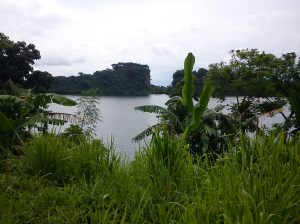
Tadlac Lake in Laguna which is full of Ayungin
Cresent Grunter (Terapon jarbua)
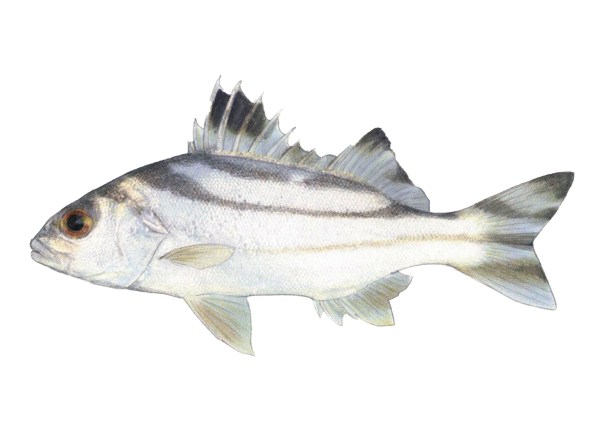
Common Name: Grunter, Terapon, Thornfish, Crescent Perch
Local Name: Bagaong (Tagalog); Bugaong, Gunggong (Cebuano)
Max Size: 36 cm
Biodiversity: Marine, Brackish, Freshwater,
Depth: 1 – ?? m
Fishing Season: All Year Long
Minimum Size Limit: none
Recommended Bait/Lures: Shrimp, small fish, crustaceans, small flashy lures
IUCN Red List Status: Least Concern (LC)

Grunter caught on a lure
These are a relatively small fish that can be caught all over the Philippines from the shore or rivers that flow into the sea. They are most commonly found over sandy bottoms along beaches coastline and estuaries. They can be caught on lures or live bait and can grow up to around a kilo in size. They are known to make a grunting or croaking sound when handled and often will tighten their bodies and expose their many spines. They should be handled with care. They are a fair food fish with a white flesh that retains a slight fishy taste after it is cooked. These fish are not a primary target of sport fishermen and instead are often considered as pests. They are fun fish however for children to fish for as they will readily take almost any bait.

Surf Fishing in Cebu


 Fishing The Philippines