Author Archives: benaiahfogle
Striped Snapper ( Lutjanus carponotatus )
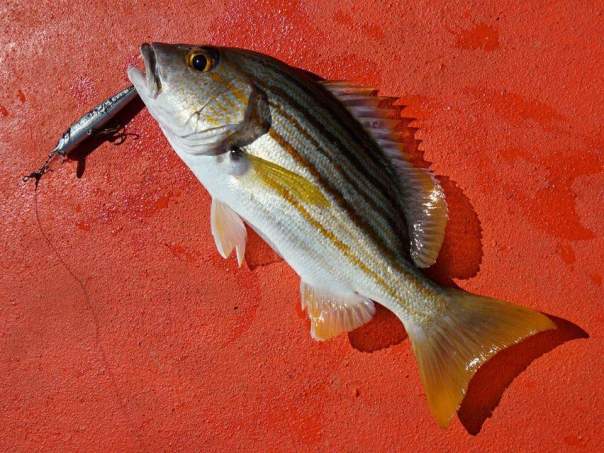
Common Name: Striped Snapper, Spanish Flag Snapper, Gold Band Snapper, Stripey,
Local Name: Alsis (Tagalog); Bad-lisan (Cebuano)
Max Size: 40 cm
Biodiversity: Saltwater
Depth: 1 – 80 meters
Fishing Season: All Year Long
Minimum Size Limit: None
Recommended Bait/Lures: Shrimp, small fish, lures, small jigs
IUCN Red List Status: (NE) Not Evaluated
The Stripey is one of our small species of schooling snapper that can be found throughout the islands around reefs, slopes, and bays. They often school is large numbers up to 20 or 30 individuals. Their golden colored lateral lines distinguish them from other species of snapper which have similar size and body shape. These are not one of the most common species to be caught on rod and reel though occasionally they can be. Have you caught a stripey here in the Philippines? If so please send us your photos.
_________________________________________________________
Philippines Record:
(Currently no Philippine record for this Species)
IGFA World Record at time of publication of this article: .68 kgs Caught in Singapore by Steve Wozniak, 2010.
Back Online!
Some of you may have noticed that our site was down for about a month recently. No, this did not have to do with our incredibly slow internet here in the Philippines 😀 We had a small issue with the domain renew, but we are happy to announce that we are back and looking forward to posting more helpful fishy content! 😀
You mean a lot to us and so please do feel free to contact us and share you experience fishing here in the Philippines or abroad. We still have plenty of fish species to add to our site here so if you happen to catch a fish here that is not listed please email us and let us know. We would love to feature you and your catch and add it to the database here.
Tight Lines and God Bless!
<><
FTP Magazine 2017 issue!
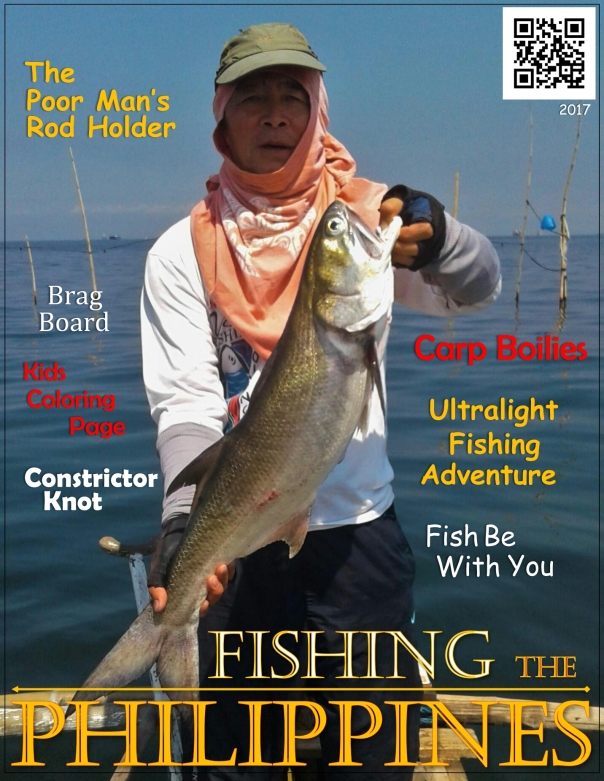
Latest issue of our FTP magazine is posted. Check the FTP Magazine page on the bar above to download your free copy today 🙂 Happy Reading!
<><
Cruising Snapper
Was able to capture this rare shot on my gopro of a good size snapper cruising around the shallows. I noticed that these predators usually have a territory that they stick to. Unlike groupers and some other predators these snapper are constantly moving, swimming back and forth, patrolling. Enjoy the rare capture 🙂

Gray Eel Catfish ( Plotosus canius )
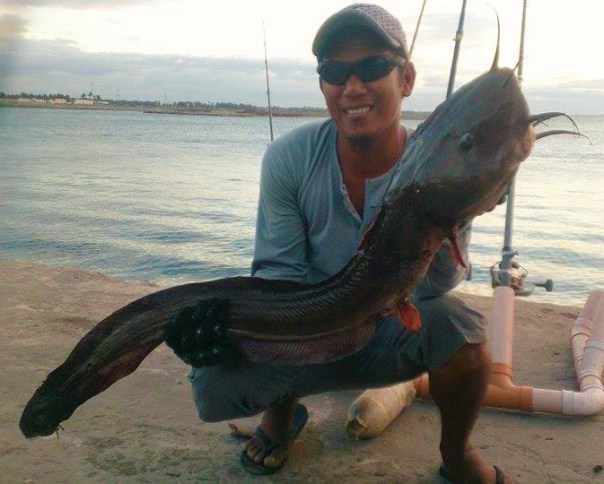
Gray Eel Catfish Philippines
Common Name: Eel Catfish
Local Name: Ito, Patuna (Tagalog); Ito (Cebuano) , Alimusan (Hiligaynon)
Max Size: 150 cm (15 kgs)
Biodiversity: Marine, Brackish, Freshwater (endemic)
Depth: Surface – ??
Fishing Season: All Year Long (best time: March – May)
Minimum Size Limit: None
Recommended Bait/Lures: Shrimp, small fish, worms, Squid
IUCN Red List Status: (NE) Not Evaluated
______________________________________
Philippines Rod and Reel Record:
Angler: Bobby Replente (picture above)
Location: Bacolod City, Negros
Date: March, 2016
Weight: 4.5 kgs
Bait: Squid
Largemouth Bass ( Micropterus salmoides )

Large Mouth Bass
Common Name: Bass, Black Bass, LMB
Local Name: Tawis (Tagalog); ?? (Cebuano)
Max Size: 97 cm (10.1 kgs)
Biodiversity: Freshwater (introduced)
Depth: Surface – 7 meters
Fishing Season: All Year Long
Minimum Size Limit: 12 inches
Recommended Bait/Lures: Shrimp, small fish, worms, lures
IUCN Red List Status: (LC) Least Concern
Largemouth Bass were introduced into the Philippines at the turn of the century by Americans who wanted to propagate a sport and food fish in the islands. The bass were successfully stocked into lakes Lumot and Caliraya, two hydroelectric reservoirs in Laguna. Later bass were also seeded in the Pantabangan reservoir in Nueva Escija.
Bass have done well in the country though confined mainly to these three lakes. They remain a top angling species for anglers on the island of Luzon.
Due to the challenging terrain around all three reservoirs, most angler fish for bass from boats. Bass can be caught all year round though the best time of year to fish for them are the months of March to May.
_________________________________________________________
Philippines Record:
(This is the largest largemouth bass caught in the Philippines on rod and reel that FTP has received record of to date. If you know of one larger please contact us.)
4.58 kgs Caught in Pantabangan Reservoir, Nueva Escija in 2007 by Annie Gonzales.

Rock Flagtail ( Kuhlia rupestris )
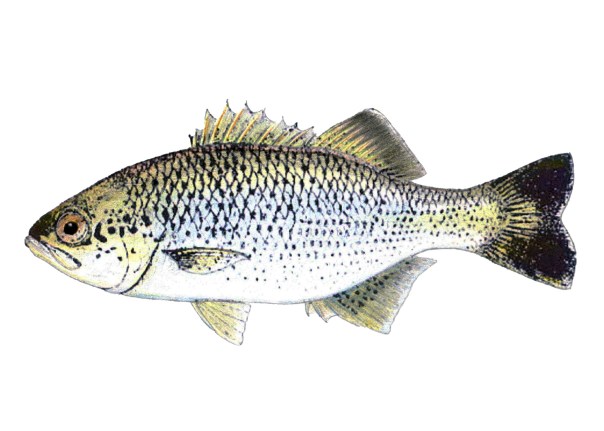
Common Name: Flagtail, Jungle Perch, Rockmountain Bass, Mountain Trout, Buffalo Bream
Local Name: Damagan (Tagalog); Damagan (Cebuano)
Max Size: 45 cm (2.7 kgs)
Biodiversity: Freshwater, Brackish
Depth: Surface – 5 meters
Fishing Season: All Year Long
Minimum Size Limit: None
Recommended Bait/Lures: Shrimp, small fish, worms, other small crustaceans
IUCN Red List Status: (LC) Least Concern
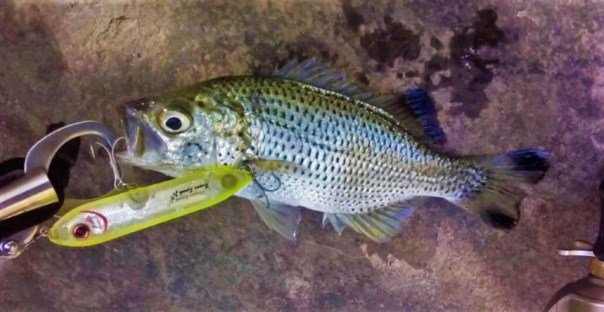
A small Jungle Perch Caught on a lure.
The Rock Flagtail are one of the species of flagtails here in the Philippines. They are generally found in clear fast flowing streams that feed into the sea. Most Flagtail that can be found in these streams are generally small in size however this species can grow to an impressive size. The many different common names of this species tell of its uniqueness. This species is probably the most similar in terms of feeding pattern, location and size to western species like trout, smallmouth bass, and perch. Because of this, Jungle Perch make a good target species for fly fishermen and ultra light tackle fishermen.

______________________________________
Philippines Rod and Reel Record:
Angler: Luigi Beja
Location: Taguanao River, Mindanao
Date: December 17, 2016
Weight: 2.1 kgs
Bait: Lure
FTP Newsletter

Have you enjoyed following our website? Starting soon we will be adding a newsletter to our site which we will be emailing quarterly to anyone interested in additional infomation about fishing in the Philippines. We plan to feature various fish species, fishing techniques and destinations around the country as well as add some additional tips and tricks. There will also be a brag board where we post photos from our followers from that quarter.
If you would like to receive the FTP (Fishing The Philippines) newsletter, please let us know via email at:
Benaiah.fogle@gmail.com
We welcome your comments suggestions and involvement in our website as we seek to promote sport fishing in the Philippines and teach the next generation how we can preserve and enjoy our waters and what’s in them!
<><
White Spotted Grouper ( Epinephelus coeruleopunctatus )

Common Name: Grouper, Rockcod,
Local Name: Lapu Lapu (Tagalog), Pugapo (Cebuano)
Max Size: 76 cm (3 kgs)
Biodiversity: Marine, Reef Associated,
Depth: 2 – 65 m
Fishing Season: All Year Long
Minimum Size Limit: 12 inches
Recommended Bait/Lures: Shrimp, Squid, fish or cut bait; jigs
IUCN Red List Status: Not Evaluated (NE)
Dipolog City Fishing Ordinance
FTP would like to highlight progress in the country that is being made to protect the waters of the country as well as to promote sport fishing. Dipolog City in Mindanao is making great progress in this area. One such step forward was the passing a Barangay ordinance in the city’s central Barangay that established a 100 meter No Net Zone around the city’s breakwater. The breakwater is one of Dipolog’s prime sport fishing destinations where anglers can catch many species of saltwater and brackish water fish. Among these are the elusive Freshwater Snapper, known locally as Tandungan, Black Snapper, Mangrove Snapper, Rabbitfish, Tarpon along with many others. The breakwater sits at the mouth of the Dipolog River and is under the jurisdiction of the city’s central barangay.
This ordinance was passed in 2006 while Angler and Tackle shop Owner Kenny Ong was the Barangay Captain. The ordinance not only protects the anglers breakwater but also serves to minimize conflict between anglers and net fishermen. Since its passing in 2006 this ordinance has been enforced and the breakwater has been protected against illegal net fishing within its 100 meter no net zone. Because of this the Dipolog Breakwater has continued to be a prime sport fishing spot with the many Dipolog Anglers having caught prize fish since the establishment of the ordinance.
Steps like this are invaluable to the sport fishing community here in the Philippines as they help protect and promote healthy fishing practices. FTP would like to see more anglers partner with LGUs around the country to implement and enforce initiatives like this one. Hopefully in the near future anglers together with the LGUs can enforce such laws as the no electrofishing law in streams and rivers, as well as begin initiatives like a fish stocking programs to help increase the number of gamefish in rivers and lakes throughout the country. We hope that this will be an inspiration to you and also remind you that you can make a difference.
Do you know of any similar ordinances or work that is going on in your area? Let us know and we will highlight it and bring more awareness!
Below are attached copies of the documents for those interested in reading more on this:


 Fishing The Philippines