Author Archives: benaiahfogle
Lobed River Mullet ( Cestraeus plicatilis )

Lobed River Mullet
Common Name: Mullet, The President’s Fish
Local Name: Banak, Ludong (Tagalog); ?? (Cebuano)
Max Size: 32.5 cm ( 2 kg)
Biodiversity: Marine, Brackish, Freshwater; Endemic
Depth: 0 – ?? m
Fishing Season: Closed Season October to January
Minimum Size Limit: 6 inches
Recommended Bait: Flies, bread, algae
IUCN Red List Status: Data Deficient(DD)
This mullet is well known throughout the country as being the country’s most expensive fish. They are most common in the Cagayan River of northern Luzon, however they are also most likely present all around the country in estuaries and rivers. These plant feeders like most mullet species are a challenge to catch on hook and line. Anglers targeting this species and others are likely to have success fly fishing with small bread, algae, and shrimp pattern.
Ludong are one of the few freshwater species in the Philippines to have a strict fishing season. The months of October to January are when these fish migrate to spawn and fishing for these fish during those months is now illegal. This is most likely due to the reputation this fish has as being one of the best tasting and rarest freshwater fish. It is said that this was the former president Ferdinan Marcos favorite fish.
If you have caught Ludong on hook and line send us your pictures and we will post them here.
<><
Banded Archerfish ( Toxotes jaculatrix )
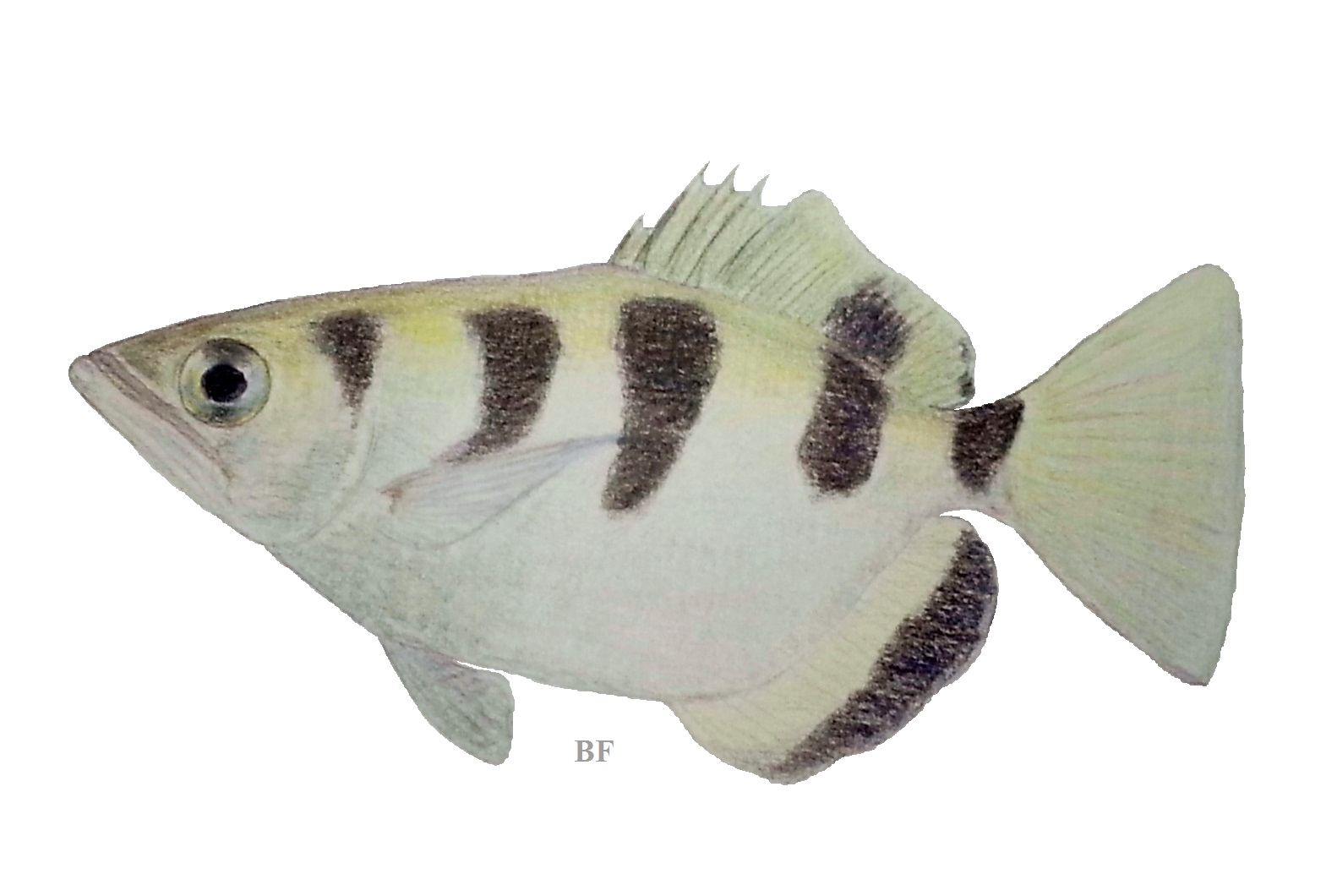
Common Name: Archerfish, Riflefish
Local Name: Kataba (Tagalog); Ataba, Bang-ga (Cebuano)
Max Size: 30 cm
Biodiversity: Marine, Brackish, Freshwater
Depth: 0 – ?? m
Fishing Season: All Year Long
Minimum Size Limit: none
Recommended Bait: Insects, Poppers, small lures, flies
IUCN Red List Status: Least Concern (LC)
Archerfish are native to the fresh, brackish and saltwaters of the Philippines. They are most well known for their ability to shoot insects from branches into the water where they can eat them. They are most commonly found in estuaries around mangrove forests however they can also be found far up freshwater rivers and also in the sea. Taal Lake in Laguna which a freshwater lake is full of these fish.
Anglers can catch these fish on lures and they are said to readily take small poppers. They are also a great fish to target with fly rods.
<><

Aeds Archerfish caught on a lure
Streaked Spinefoot ( Siganus javus )

Streaked Spinefoot caught in Cebu
Common Name: Java Rabbitfish, Spinefoot
Local Name: Samaral, Alama, Barangan (Tagalog); Danggit, Kitong (Cebuano)
Max Size: 53 cm
Biodiversity: Marine, Brackish, Reef Associated,
Depth: 0 – 15 m
Fishing Season: All Year Long
Minimum Size Limit: none
Recommended Bait: Banana, Rice, Seaweed
IUCN Red List Status: Least Concern (LC)
This is one of the many species of Rabbitfish that inhabit Philippines waters. They are primarily on algae and are not targeted as a sport fish in the country. Instead they make a good food fish and subsequently are targeted by anglers using bait. Local angler have two main methods of catching these fish; one is with small hooks attached to a float that are baited with cooked Saba (cooking banana, similar to a plantain) or glutinous (sticky) rice. The other method used involves a rig designed to snag the fish with big hooks that are positioned around the bait which is usually a piece of banana.
Rabbitfish are also known as Spinefoots because of their venomous spines. Care is needed when handling these fish because a small prick on the finger from the spines on a Rabbitfish can leave a throbbing pain for quite a while.
These fish are a good food fish and have a firm though somewhat soggy texture. In Cebu they are often stuffed with onions, tomatoes and spices and grilled. Their thick skin helps keep the fish from falling apart while grilling. Rabbitfish have been successfully cultured in ponds and though not an ideal culture fish.
Small Rabbitfish make good bait for large reef associated predators such as Giant Trevally.
Longnosed Lancetfish ( Alepisaurus ferox )
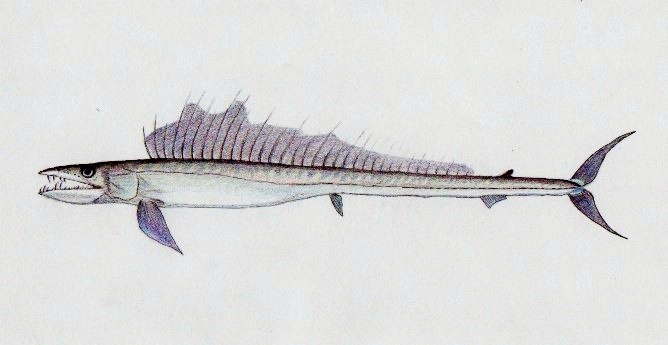
Common Name: Lancetfish, Handsaw Fish, Wolffish
Local Name: Tokey, Diwit, Aswang (Tagalog); ?? (Cebuano)
Max Size: 215 cm (9 kgs)
Biodiversity: Marine, bathypelagic, oceanodromous
Depth: 1 – 1900 m
Fishing Season: All Year Long
Minimum Size Limit: none
Recommended Bait/Lures: Fish, Squid
IUCN Red List Status: Not Evaluated (NE)
Lancetfish are a unique strange looking fish that are capable of handling great extremes in pressure and temperature. They are able to feed at the surface all the way down to almost 2000 meters. They can also be found from the tropical seas all the way to the arctic. Their diet consists mainly of squid and fish and they are primarily a nocturnal fish. They resemble both Snake mackerel and Scabbardfish however they have noticeable differences than both.
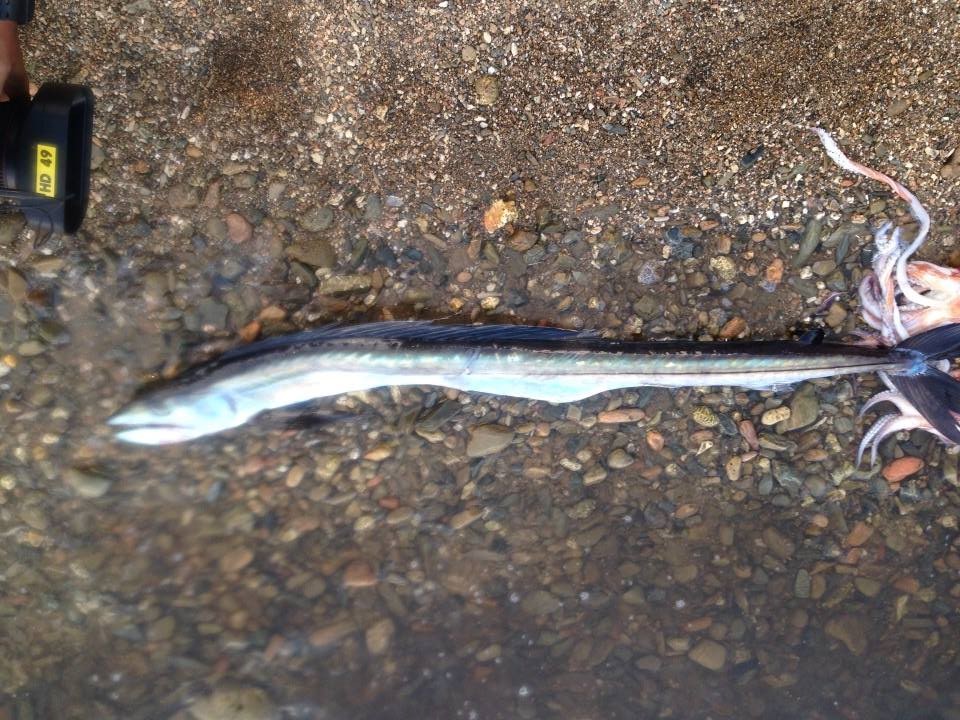
The fish in these pictures was caught at around 300 meters depth off Paluan, Mindoro Island by Doc and was 3.8 kilos. He described the fish as having soft skin, two inch long long teeth and being called Tokey or Tukey by the locals there. They caught this fish while deep sea fishing for large squid.

Alepisaurus ferox
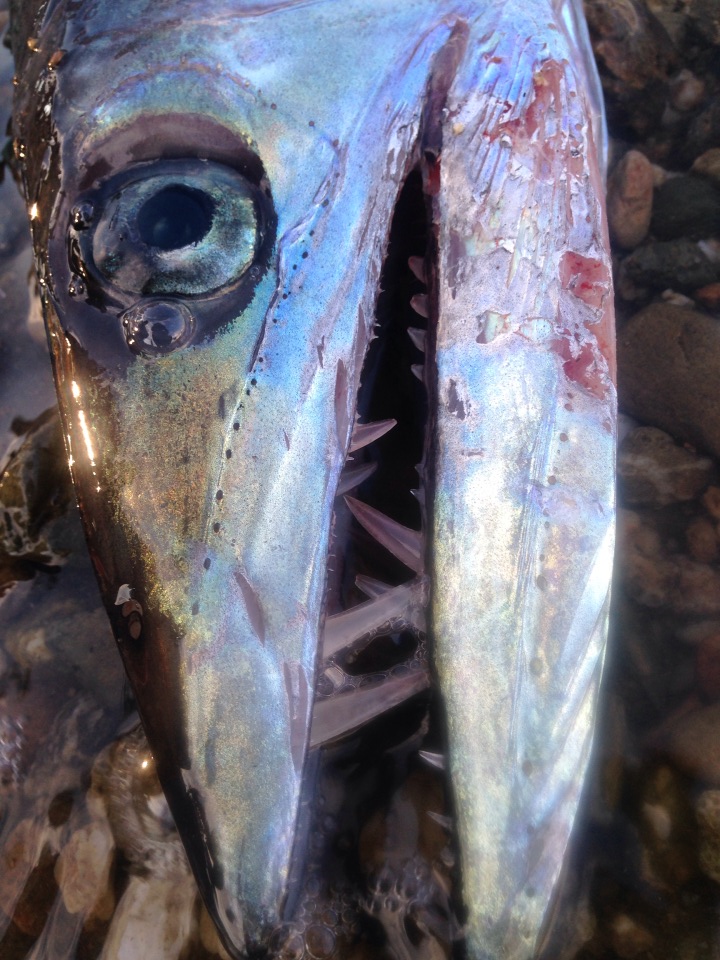
The ferocious teeth of the Lancetfish

Amberjack ( Seriola dumerili )

Nino’s 7.55kg amberjack caught jigging
Common Name: Amberjack, Yellowtail, Rock Salmon
Local Name: Talakitok, Tonto (Tagalog); Marang, Dorado (Cebuano)
Max Size: 190 cm (80.2kgs)
Biodiversity: Marine, Reef-Associated
Depth: 1 – 360 m
Fishing Season: All Year Long
Minimum Size Limit: 18 inches
Recommended Bait/Lures: Fish, Squid, Jigs
IUCN Red List Status: Not Evaluated (NE)
This is one of the primary targets of deep water fishermen in the Philippines, these fish are plentiful around the country though they are somewhat difficult to target because of the depth they are usually found. Sport fishermen target them with heavy deepwater jigs while the traditional way to catch these involves using a large stone as a weight.
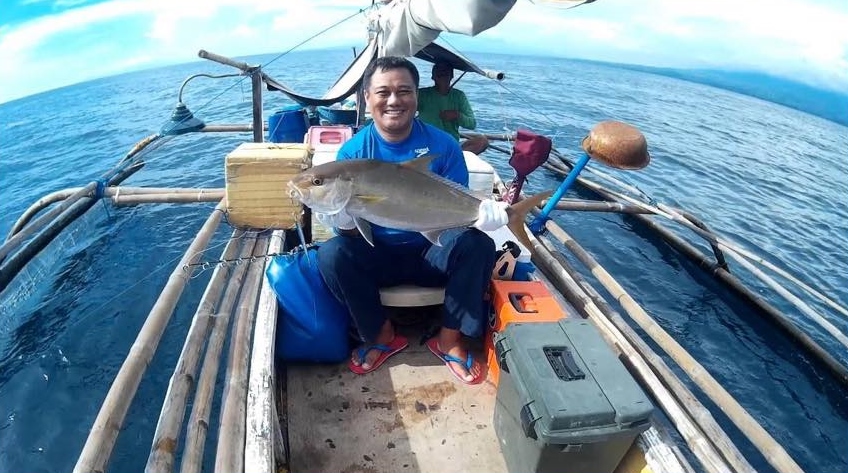
Ram’s 7kg Amberjack caught jigging
Pacific Sea Bream ( Acanthopagrus pacificus )

Gary’s Bakoko from Pampanga
Common Name: Sea Bream, Porgie, Grunt
Local Name: Bakoko, Agoot, Bakokong Moro (Tagalog); Bunggok, (Cebuano)
Max Size: 50 cm
Biodiversity: Marine, Brackish, Pelagic-Neritic
Depth: 1 – ?? m
Fishing Season: All Year Long
Minimum Size Limit: 8 inches
Recommended Bait/Lures: Shrimp, small fish and crustaceans
IUCN Red List Status: Not Evaluated (NE)
There are quite a few species of fish that are called by the name Bakoko here in the Philippines of which the Pacific Sea Bream is one. This particular species is primarily found in estuaries and even in rivers in brackish water. They are not a particularly large fish however they are a heavy set fish and make a good food fish.
Anglers target these fish mainly with shrimp either live or dead. This fish is most commonly caught around central Luzon though it is present all throughout the waters of the Philippines.

A good haul from Pampanga

A good sized Bream caught night fishing in Bacolod
These fish are called Baccucu in Bacolod City.
Armored Sea Robin ( Satyrichthys welchi )

Common Name: Sea Robin, Gurnard, Crocodilefish
Local Name: ??? (Tagalog); ??? (Cebuano)
Max Size: 50 cm
Biodiversity: Marine, Deep Water, Benthic
Depth: 80 – 228 m
Fishing Season: All Year Long
Minimum Size Limit: none
Recommended Bait/Lures: Shrimp, small fish and crustaceans
IUCN Red List Status: Not Evaluated (NE)
This bizarre looking little bottom feeding fish belongs to the family of sea robins. These two were caught off Cuaming Island, Bohol while deep bottom fishing. These fish are edible.
Results from NSFC Fishing Tournament
The Negros Sport Fishing Club organized a Fishing Tournament at the pier in San Carlos City on March 29th, 2014. Here are the results of the tournament:


Redbreasted Wrasse ( Cheilinus fasciatus )

Ed’s wrasse from Maasim
Common Name: Wrasse
Local Name: Mameng (Tagalog); Labayan, Buntogon, Mulmul (Cebuano)
Max Size: 40 cm
Biodiversity: Marine, Reef-Associated
Depth: 4 – 60 m
Fishing Season: All Year Long
Minimum Size Limit: 10 inches
Recommended Bait/Lures: Shrimp, small fish and crustaceans
IUCN Red List Status: Least Concern (LC)
FISHRMEN PHOTO CONTEST 2014!!
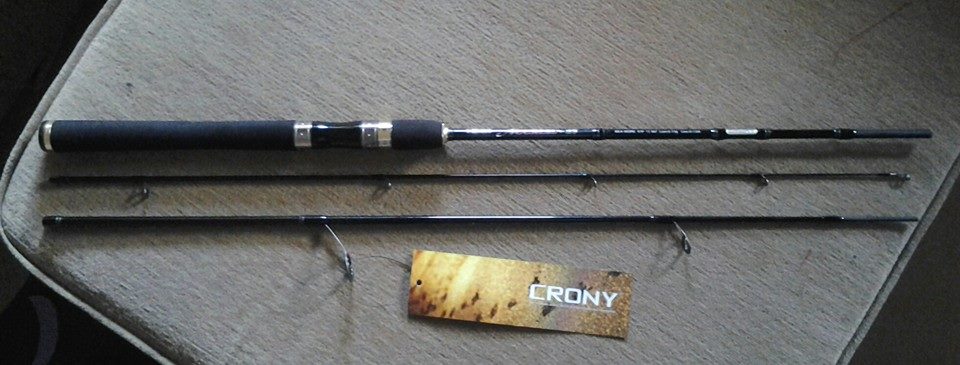
FishRmen Bait and Tackle will be giving away a brand new CRONY Aggress fishing rod to the person who sends in the most impressive photo of a fish caught on their FishRmen Dyneema Braided Line!
Contest Mechanics:
– Picture with a description of the catch, location, time, and bait must be emailed to: benaiah.fogle@gmail.com
– Fish must be caught using FishRmen Dyneema braided line
– Fish must have been caught during contest dates
– Contest open for freshwater, brackish and saltwater caught fish
– Contests includes both pond caught and wild caught fish
– Photos must include the Angler, Fish, and Reel (with line seen) [See our ex. pic below]
– Multiple entries allowed per person
– Contest time: March 15 – June 15 2014
– Prizes:
1st place = Crony Rod; [Crony Aggress 6’6” ML 3pcs rod]
2nd place = Dyneema Braid;
3rd place = Fishing Lure
– There is no age limit for this competition
– It is preferred that entries be of fish caught in the Philippines however we will accept entries of fish caught outside the country provided they meet all other criteria


 Fishing The Philippines