Author Archives: benaiahfogle
Mayan Cichlid ( Cichlasoma urophthalmus )

Common Name: Mexican Mojarra, Tilapia (mis-identified)
Local Name: ??? (Tagalog); ??? (Cebuano)
Max Size: 39.4 cm (1.1 kg)
Biodiversity: Freshwater, Brackish, Introduced
Depth: 0 – ?? m
Fishing Season: All Year Long
Minimum Size Limit: none
Recommended Bait/Lures: Shrimp, Worms, Small Fish, Insects
IUCN Red List Status: Not Evaluated (NE)

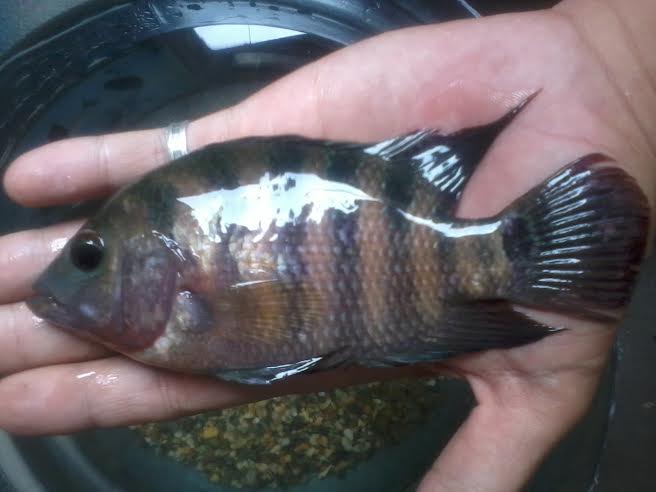
A great shot of a Mayan Cichlid thanks to Welbart
Mayan Cichlids have been reported in central Luzon as established in many local waterways. This species is originally from South America and has been transferred around the globe through the aquarium trade. That is undoubtedly how it found its way to the waters of the Philippines. It is likely that this species will spread throughout the country and become well established.
These cichlids are look very similar to tilapia only they have a more brownish and reddish color and a spot on their tail. They also have eight bars along their bodies which can help identify them. Anglers are most likely to catch these in the Provinces of Pampanga and Bulacan when fishing in freshwater for tilapia or brackish water fish. Mayan Cichlids make good food fish and can be fished for as gamefish.
Cocoa Snapper ( Paracaesio stonei )
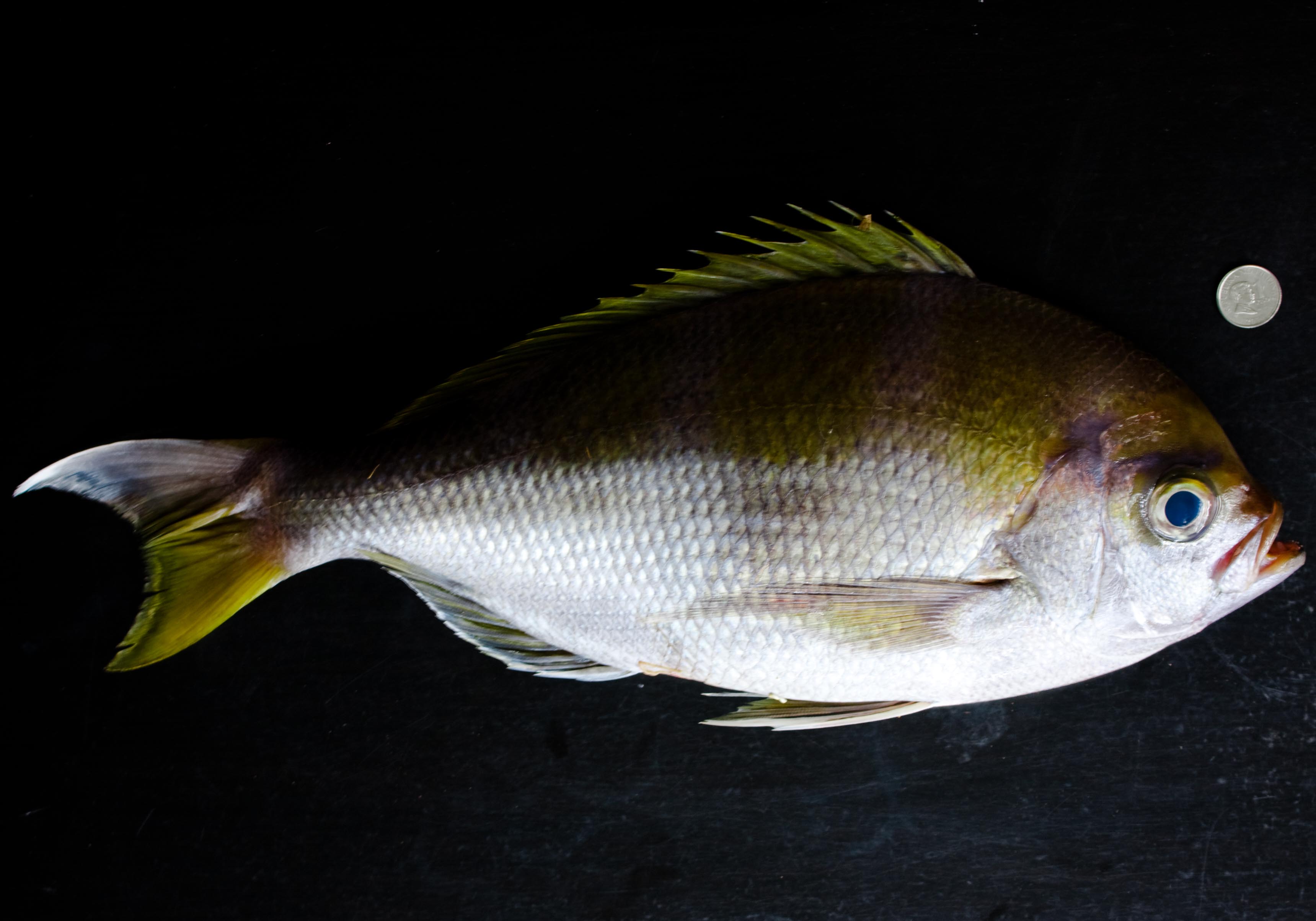
Common Name: Snapper, Deepwater Snapper, Stones Fusilier
Local Name: ?? (Tagalog); ?? (Cebuano)
Max Size: 50 cm
Biodiversity: Marine, Bathydemersal, Deep-Water
Fishing Season: All Year Long
Minimum Size Limit: None
Recommended Bait/Lures: Fish, Squid
IUCN Red List Status: Not Evaluated (NE)
These fish are found in extremely deep water and are therefore quite difficult for most anglers to catch. To catch these fish specialized deep sea tackle is need such as PE braided line, heavy lead weights, lights, and electric reels.
Ruby Snapper ( Etelis coruscans )

Banjie’s Huge Snapper
Common Name: Flame Snapper, Longtail Snapper, Longtailed Deepwater Snapper
Local Name: Maya-maya, Tikwi (Tagalog); Sagisihon (Cebuano)
Max Size: 120 cm
Biodiversity: Marine, Reef Associated, Deep-Water
Fishing Season: All Year Long
Minimum Size Limit: None
Recommended Bait/Lures: Fish, Squid
IUCN Red List Status: Not Evaluated (NE)
The Ruby Snapper is one the prized fish found in deep water around the country. These fish can be difficult to catch mainly because of the great depths at which they are found. Anglers fishing for Ruby Snapper and other deepwater species often use electric reels to aid in the retreival of line. Dropping a heavy weight down over 200m takes a long time to reel in and is tiring even when there is no fish on the other end. Braided line is a must when fishing in deep water, called Deep Dropping.
The 27kg monster pictured above was caught very deep with a special winch reel. They used a whole squid as bait and it took quite a while to bring the monster in.
Hairtail ( Trichiurus haumela )

Common Name: Hairtail, Ribbon fish, Cutlass Fish, Belt Fish, Frost Fish
Local Name: Balila, Espada (Tagalog); Diwit (Cebuano)
Max Size: 2 m (5 kgs )
Biodiversity: Marine, Benthopelagic,
Depth: 0 – 350 m
Fishing Season: All Year Long
Minimum Size Limit: None
Recommended Bait/Lures: fish, minnow lures
IUCN Red List Status: Not Evaluated (NE)
This is one of the stranger looking fish found in the seas of the Philippines. There are over 40 different species of cutlassfish in the world which all share a similar shiny, blade like appearance. They silvery sides of this fish are so brilliant that the colors of the rainbow can be seen when a camera flash or sun light are reflected off it.
In the tperate seas these fish are known as frost fish because their appearance in late fall often corresponds with the coming of the frost. Here in the Philippines however we have noticed that they appear to be more prevalent in the months of Habagat or monsoon season. During this time schools of cutlassfish move closer to shore.
Surprisingly these fish readily take lures and so can be caught by Anglers fishing from piers and rocky coastlines. For some reason these fish seem to prefer red head lures and to feed at night.

Jay’s Hairtail caught in Bohol
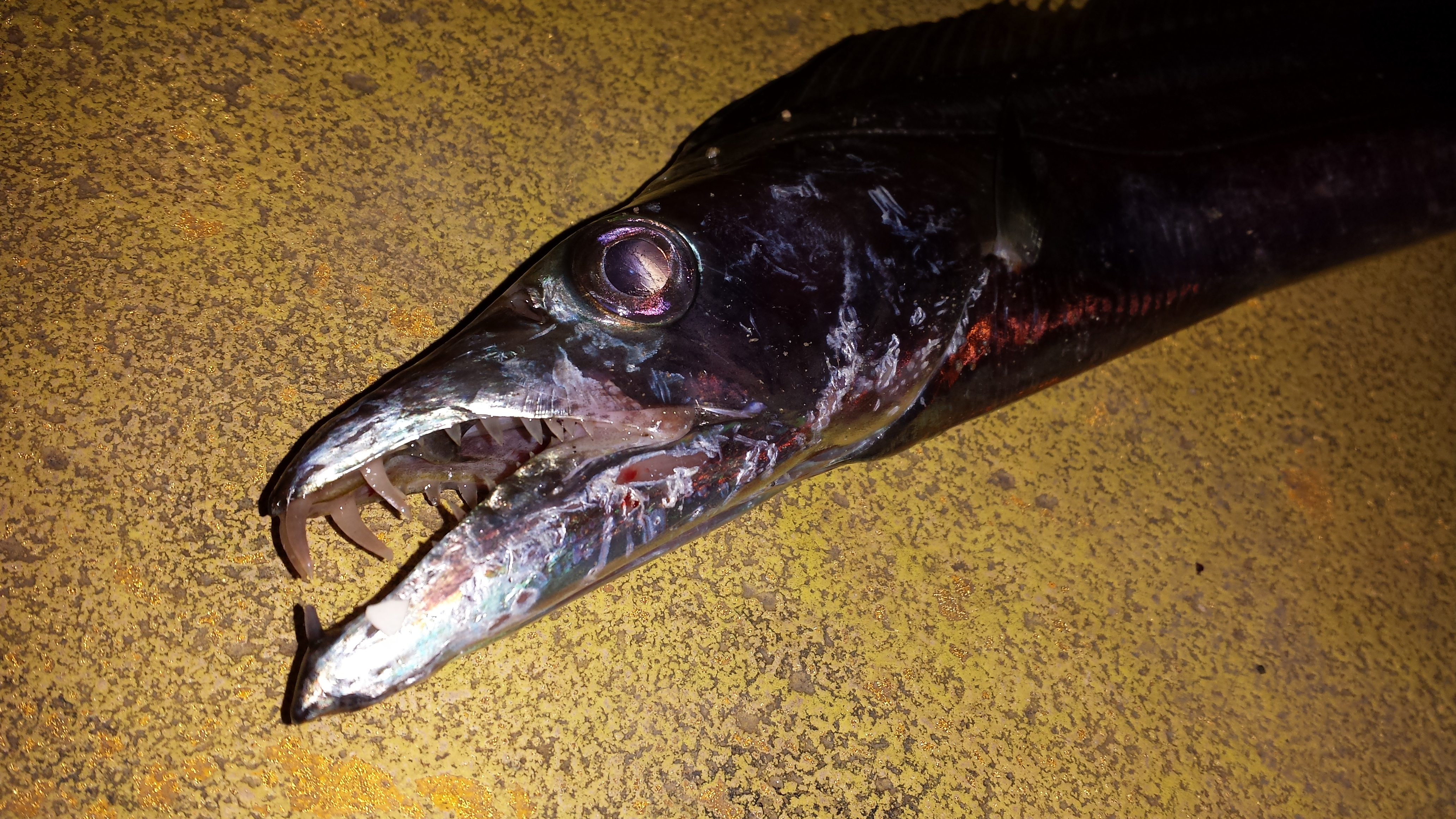
The fearsome jaws of the cutlass fish
Tank Goby ( Glossogobius giuris )
Common Name: Goby,
Local Name: Biya(Tagalog); Bunog (Cebuano)
Max Size: 50 cm
Biodiversity: Marine, Brackish, Freshwater
Depth: 0 – 30 m
Fishing Season: All Year Long
Minimum Size Limit: None
Recommended Bait/Lures: Shrimp, Small Fish and Worms
IUCN Red List Status: Least Concern (LC)
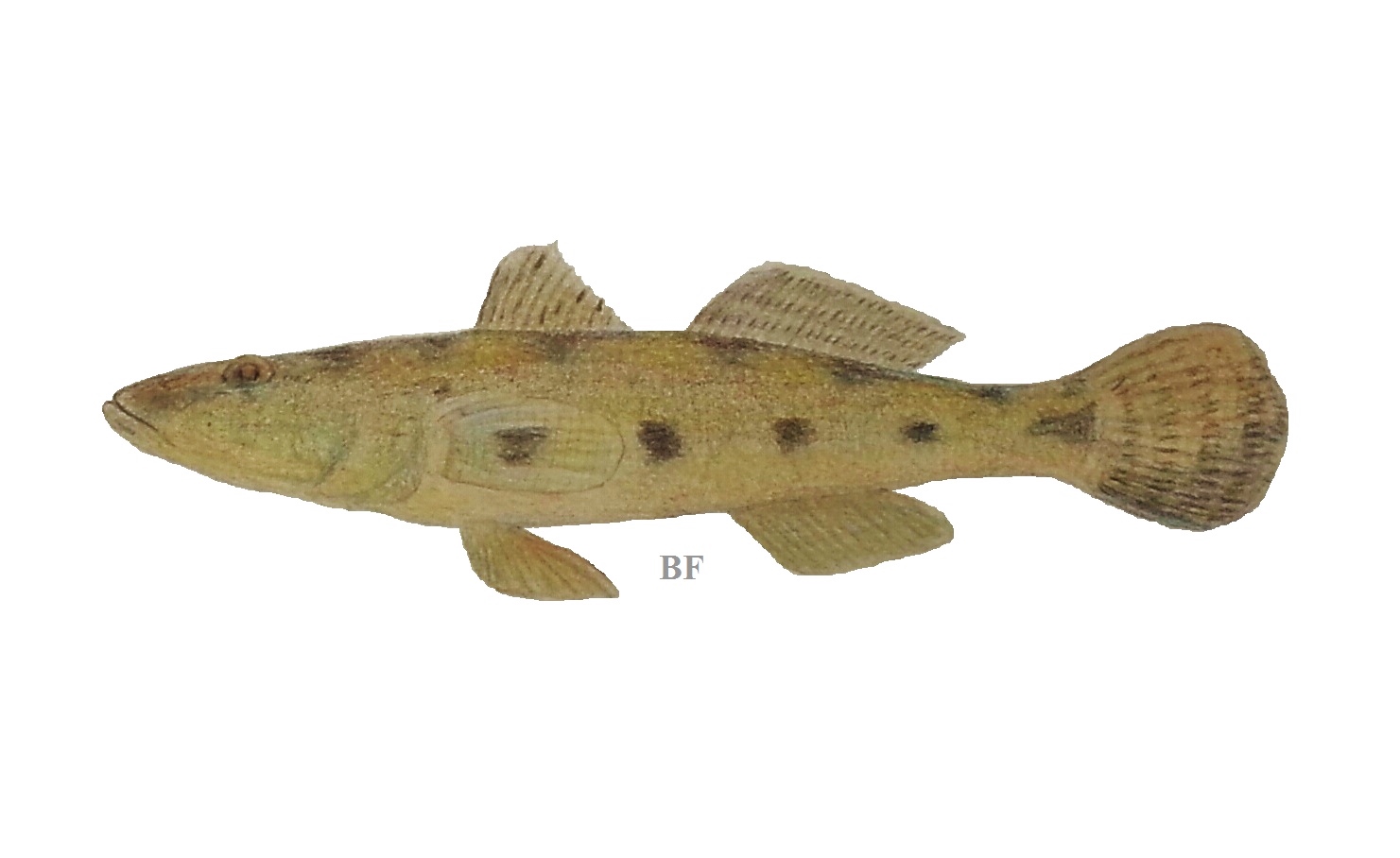
The Tank Goby is one of the many species of small Goby found in the fresh, brackish and saltwaters of the Philippines. We have chosen to list it here for numerous reasons. First the Tank Goby is one of the largest goby species that can be found in the Philippines reaching a length of up to 50 cm making them worthy of mention. Also Biya, as they are known in the Tagolog regions, have a species place in the Tagalog cuisine and are considered a delicious food fish. Biya are cooked fresh in a number of dishes and they are also salted and dried.
Biya in general are caught in rivers, lakes and even estuaries where they sit along the bottom waiting for prey to pass by. They aggressively gobble up worms, shrimp, small fish and other baits that are lightly jigged off the bottom. On average Biya are quite small however in estuaries and lakes anglers can find the larger ones. Biya make for fun fish for kids to catch because of how aggressive they are and how numerous they are.
The Tank Goby bears resemblance to the Gudgeon fish which are also found through out the country. The main distinguishing feature of the goby is its elongated body as compared to the shorter and more plump body of the gudgeon.
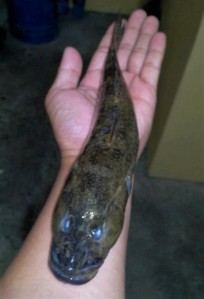
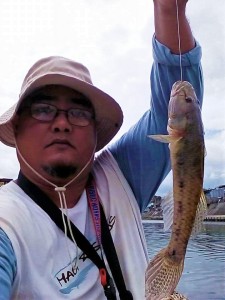
Sonny’s Monster Biya from Laguna
Maori Sea-Perch ( Lutjanus rivulatus )

Maori Sea Perch caught in Subic Bay
Common Name: Snapper, Rubberlip Snapper, Sea Perch,
Local Name: Maya Maya, Bambangon (Tagalog), Maya-Maya, Kilawan (Cebuano)
Max Size: 80 cm ( 11 kgs )
Biodiversity: Marine, Reef-Associated
Depth: 10 – 100 m
Fishing Season: All Year Long
Minimum Size Limit: 10 inches
Recommended Bait/Lures: Shrimp, small fish and crustaceans
IUCN Red List Status: Not Evaluated (NE)

Photo courtesy of Andrew Leighton
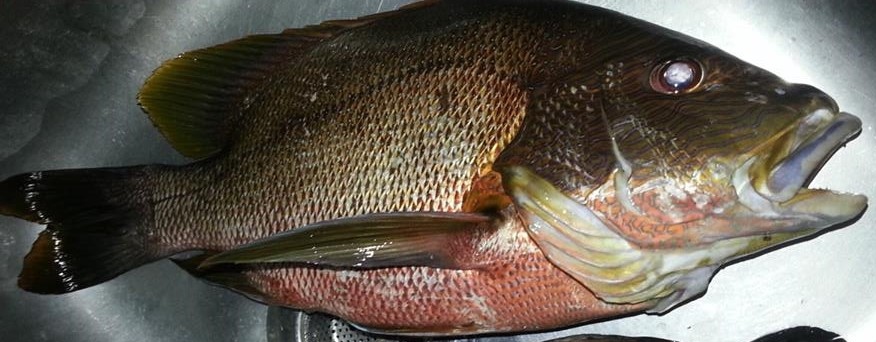
Note the pattern on the face
Bigeye Barracuda ( Sphyraena forsteri )
Common Name: Barracuda, Javelin, Sea-Pike
Local Name: Turcilyo, Batig, Balyos (Tagalog) Tabangko (Cebuano)
Max Size: 75 cm
Biodiversity: Marine, Reef-Associated
Depth: 1 – 300 m
Fishing Season: All Year Long
Minimum Size Limit: None
Recommended Bait: Shrimp, Squid and Fish
IUCN Red List Status: Not Evaluated (NE)
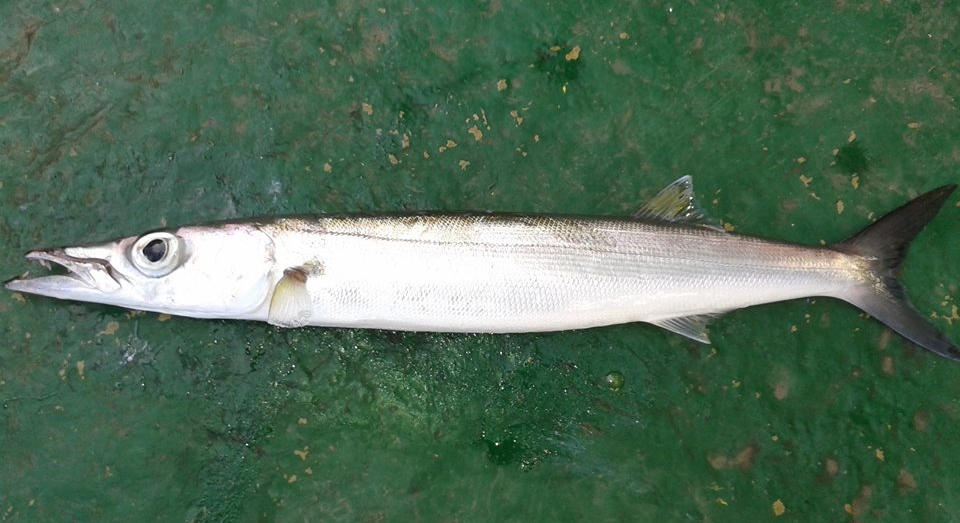
The Bigeye Barracuda is another of the species from the Sphyraedinae genus. Their large eye is the most distguishing feature that helps in their identification. The Biegeye Barracuda are generally small in size and found in schools around reefs around the country. Anglers are likely to catch these fish while fishing small lures or bait such as shrimp or fish.

Wayne’s Bigeye Cuda from Romblon
Silver Grunt ( Pomadasys argenteus )
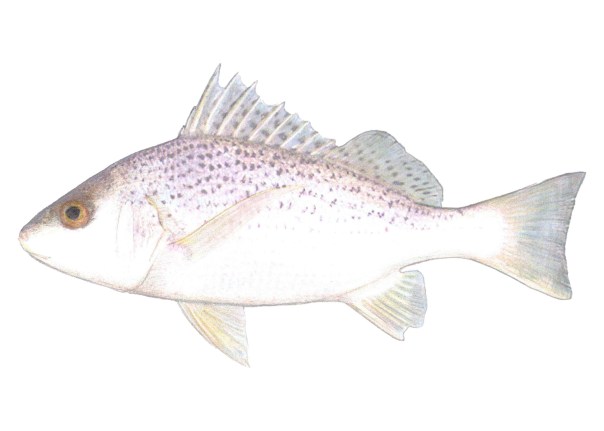
Common Name: Bream, Grunter, Grunt, Javelin
Local Name: Bakoko, Aguot (Tagalog), Ago-ot, Likti (Cebuano)
Max Size: 70 cm
Biodiversity: Marine, Brackish, Freshwater
Depth: 1 – 115 m
Fishing Season: All Year Long
Minimum Size Limit: None
Recommended Bait: Shrimp, worms and crustaceans;
IUCN Red List Status: Least Concern (LC)
This is one of a couple fish that is known around the islands as Bakoko or Ago-ot. It is distiguished from the larger Bakoko ( Acanthropagrus pacificus ) by its more elongated snout and small black spots on its sides. These fish are encountered most often by anglers fishing is estuaries or large rivers that flow into the sea. Bakoko are known to be shrimp eaters and bait fishermen use small shrimp either live or dead to catch them.

Photo courtesy of Mikko C.
Gudgeon ( Eleotris sp. )

Aeds Gudgeon on a lure.
Common Name: Gudgeon, Sleeper,
Local Name: (Tagalog), Cadurog, Palog, Lagnas (Cebuano)
Max Size: cm
Biodiversity: Marine, Brackish, Freshwater
Depth: 0 – ?? m
Fishing Season: All Year Long
Minimum Size Limit: None
Recommended Bait: Shrimp, worms and crustaceans;
IUCN Red List Status:
This is a fish of the genus Eleotris which are known as Sleepers or Gudgeons. Similar to Gobies and Snakeheads, Sleepers often sit motionless on the riverbed waiting for prey to pass by. They a generally quite small and of little value to sport fishermen however they can grow to impressive sizes of over 1 ft in length. Anglers are most likely to encounter these fish when fishing in rivers and estuaries with bait or small lures.
Because of the diversity within this genus of fish we have simply listed the genus.
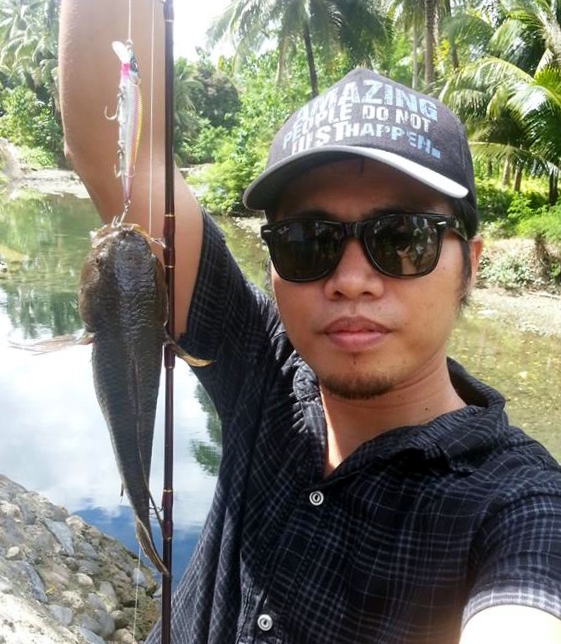
Note the thick body of the Gudgeon
Fire-Tail Devil ( Labracinus cyclophthalmus )
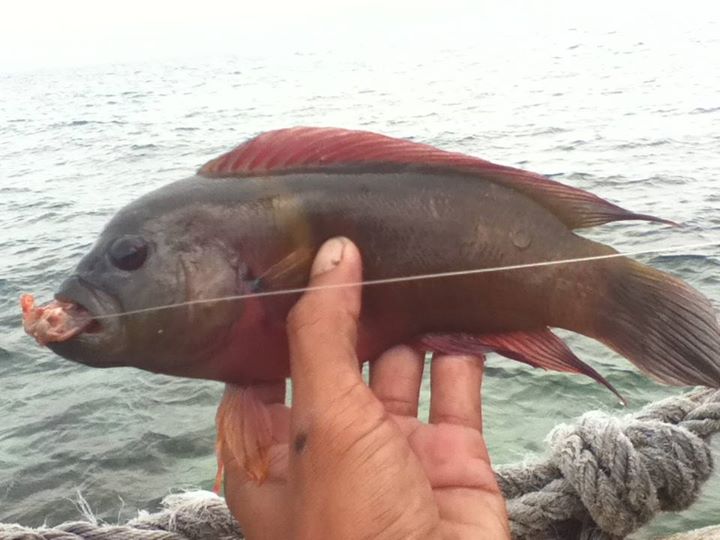
Dennis’ Dottyback
Common Name: Dottyback, Devil Fish
Local Name: ** (Tagalog), ** (Cebuano)
Max Size: 23.5 cm
Biodiversity: Marine, Reef-Associated
Depth: 2 – 20 m
Fishing Season: All Year Long
Minimum Size Limit: None
Recommended Bait: Shrimp, small fish and crustaceans;
IUCN Red List Status: Not Evaluated (NE)
This is a small reef fish that is found around the islands in shallow reefs. They look like a cross between a wrasse and a grouper, however are not related to either. ** We are not aware of this fish’s name here in the Philippines probably because it is usually miss-identified as either a wrasse or a grouper.


 Fishing The Philippines